
It was arguably the most famous season in Formula 1 history, with exciting races, off-track controversies and Niki Lauda's horrific crash while battling James Hunt for the world championship.
During the long, hot summer of 1976, Hunt's attempt to overcome a huge points deficit to reigning champion Lauda made headlines in Britain.
However, almost all of this season - including the British Grand Prix - will not be broadcast on television in the UK because one of the cars was sponsored by a condom manufacturer.
And yes, the livery sported by the Surtees TS19 caused such controversy when it first appeared in 1976 that it led British television companies to refuse to broadcast Formula 1 races on the small screen.
Team boss John Surtees had struck a sponsorship deal with the London Rubber Company which meant that one of his cars would bear the Durex condom logo, which British TV channels BBC and ITV considered unacceptable for a daytime family broadcast.
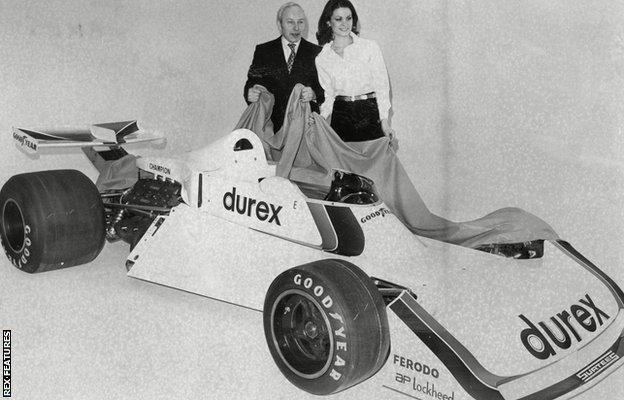
For the British Grand Prix - The Race of Champions - at Brands Hatch in March, we are witnessing a real tug-of-war between the BBC and F1 / Surtees.
The TV channel threatened not to broadcast the race unless the Surtees team agreed to remove the Durex logos from their car. Surtees refused, and the BBC packed up its cameras; the race would not be televised.
But this policy is proving increasingly difficult to support as the season progresses, resulting in a genuine moral panic among TV network executives.
Indeed, the 1976 season is certainly one of the most exciting of all time and the battle between James Hunt and Niki Lauda captivated audiences worldwide.

For the final event in Japan where the title will be decided, the BBC and ITV sit back and broadcast the race which will see Hunt crowned world champion.
1976, a Formula 1 season that will be remembered for many reasons