Recherche par catégorie:
FORD Escort MK2
-
 Boite De Vitesses
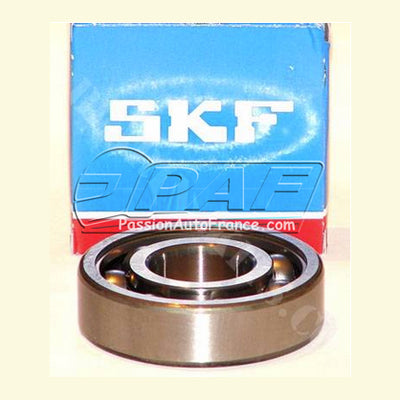
SKF rear primary shaft bearing for Ford 2000e Bullet gearbox
€36,95
Boite De Vitesses
SKF rear primary shaft bearing for Ford 2000e Bullet gearbox
€36,95
-
 PAFCLASSIC®
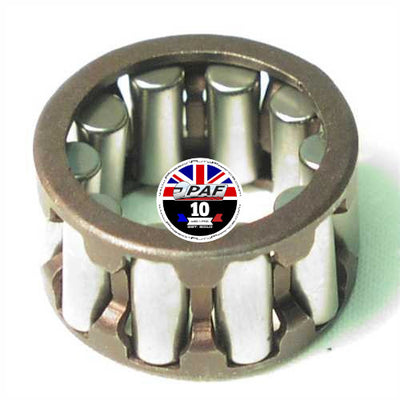
Front Bearing Needles Primary Shaft Ford Type 9 5 Speed
€30,95
PAFCLASSIC®
Front Bearing Needles Primary Shaft Ford Type 9 5 Speed
€30,95
-
 Boite De Vitesses
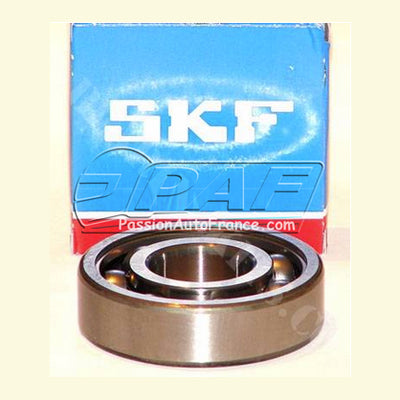
SKF front primary shaft bearing for Ford 2000e Bullet gearbox
€39,95
Boite De Vitesses
SKF front primary shaft bearing for Ford 2000e Bullet gearbox
€39,95
-
 PAFCLASSIC®
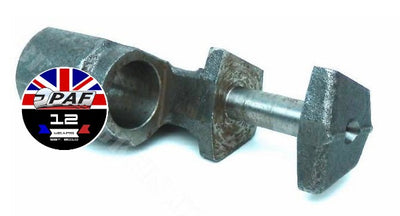
Ford Type 9 5-speed gearbox selector
€31,95
PAFCLASSIC®
Ford Type 9 5-speed gearbox selector
€31,95
-
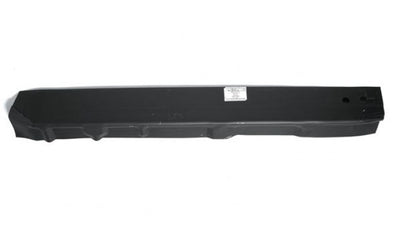 Magnum
Ford Escort MK1 MK2 interior door sill, without cutout
€46,95
Magnum
Ford Escort MK1 MK2 interior door sill, without cutout
€46,95
-
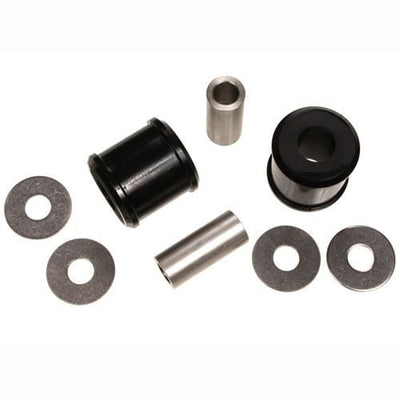 Superflex
Anti-Roll Bar Bush Rear Chassis Ford Escort MK1 / MK2
€42,95
Superflex
Anti-Roll Bar Bush Rear Chassis Ford Escort MK1 / MK2
€42,95
-
 Superflex
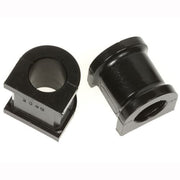
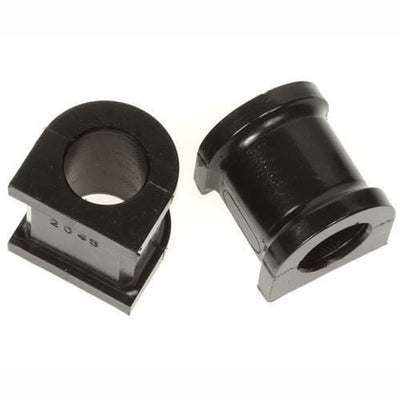
Ford Anti-Roll Bar Bush Front / Rear Chassis
€21,95
Superflex
Ford Anti-Roll Bar Bush Front / Rear Chassis
€21,95
-
 Superflex
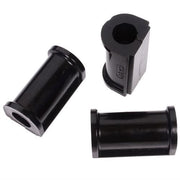
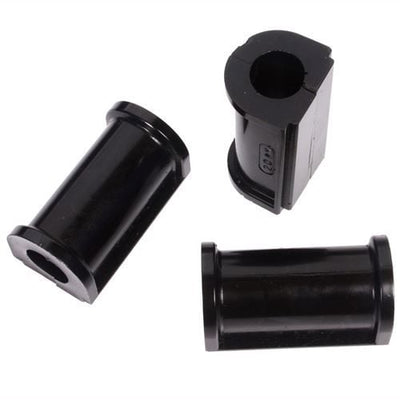
Front Anti-Roll Bar Bushing / Chassis Anti-Dive Kit for Ford Escort MK1 MK2
€35,95
Superflex
Front Anti-Roll Bar Bushing / Chassis Anti-Dive Kit for Ford Escort MK1 MK2
€35,95
-
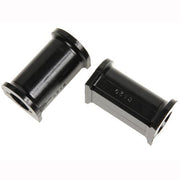
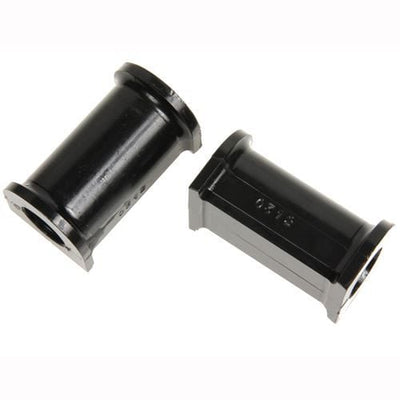 Superflex
Front Anti-Roll Bar Bush / Wide Chassis Ford Escort
€23,95
Superflex
Front Anti-Roll Bar Bush / Wide Chassis Ford Escort
€23,95
-
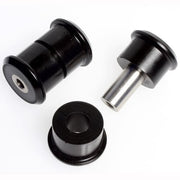
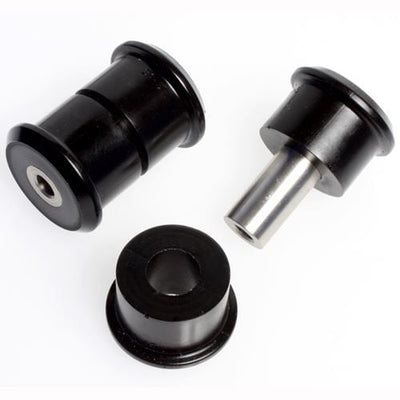 Superflex
Engine Cradle bushes World Cup type Ford Escort MK1 MK2
€57,95
Superflex
Engine Cradle bushes World Cup type Ford Escort MK1 MK2
€57,95
-
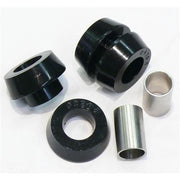
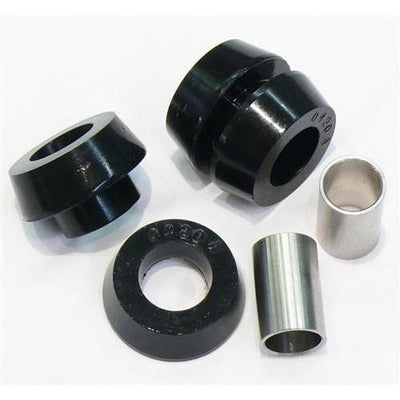 Superflex
Ford Suspension Arm Bushing / Anti-roll Bar
€42,95
Superflex
Ford Suspension Arm Bushing / Anti-roll Bar
€42,95
-
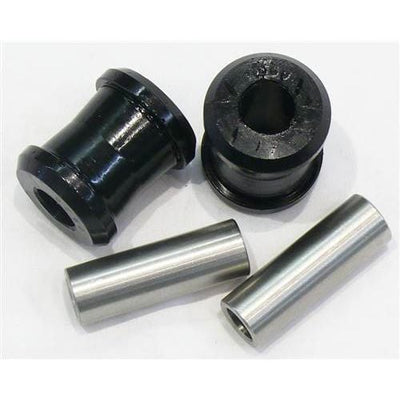 Superflex
Ford Inner Suspension Arm Bushing
€30,95
Superflex
Ford Inner Suspension Arm Bushing
€30,95
-
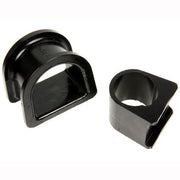
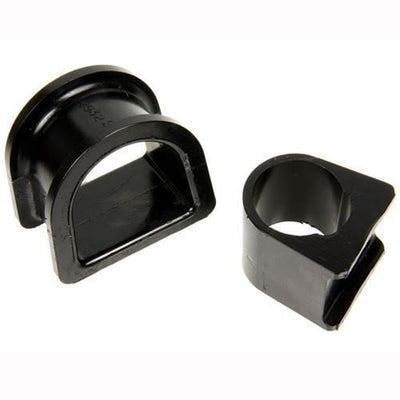 Superflex
Ford Steering Rack Silent Block (Non-Powered steering)
€23,95
Superflex
Ford Steering Rack Silent Block (Non-Powered steering)
€23,95
-
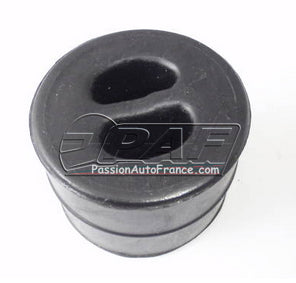 Superflex
Ford Exhaust Silent Block (pair)
€11,95
Superflex
Ford Exhaust Silent Block (pair)
€11,95
-
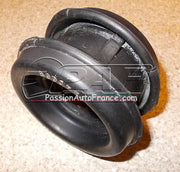
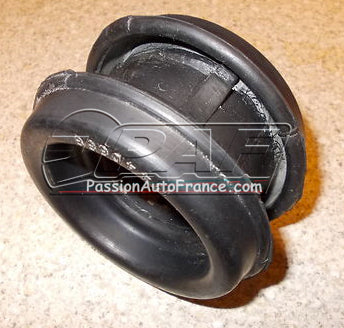 PAFCLASSIC®
Silent block flector drive shaft FORD
€23,95
PAFCLASSIC®
Silent block flector drive shaft FORD
€23,95
-
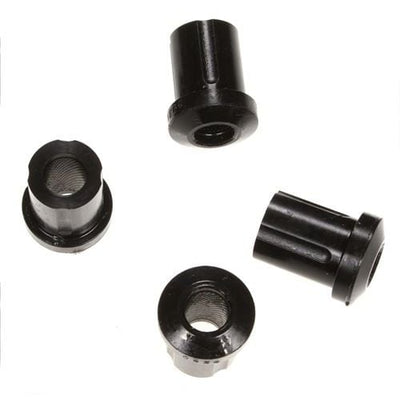 Superflex
Ford Rear Suspension Leaf Spring Bushings, 19.5mm Outer Diameter
€24,95
Superflex
Ford Rear Suspension Leaf Spring Bushings, 19.5mm Outer Diameter
€24,95
-
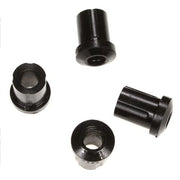
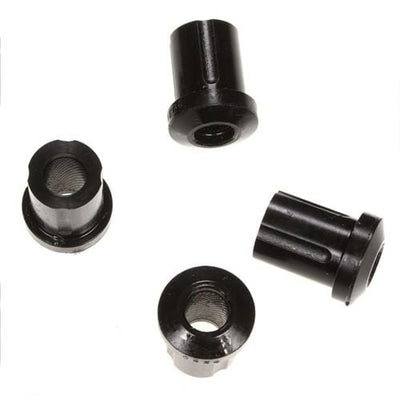 Superflex
Ford Rear Suspension Leaf Spring Bushings, 21mm Outer Diameter
€22,95
Superflex
Ford Rear Suspension Leaf Spring Bushings, 21mm Outer Diameter
€22,95
-
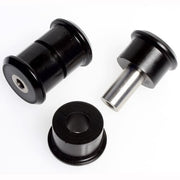
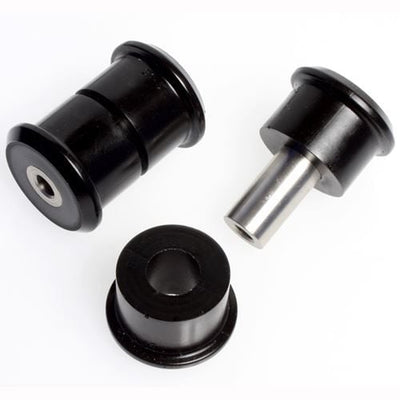 Superflex
Silent Block Rear Eyelet Single Suspension Leaf for Ford Escort MK2
€59,95
Superflex
Silent Block Rear Eyelet Single Suspension Leaf for Ford Escort MK2
€59,95


Code name "Brenda" (1974–1981)
Launched in January 1975 (the first cars rolled off the production line on December 2, 1974), the Ford Escort MK2 was the result of a collaboration between Ford England and Ford Germany (the Escort MK1 was developed solely by Ford England).
Developed under the codename "Brenda", the MK2 uses the same mechanical components as the MK1. The 940cc engine is still offered in Italy, for example, for tax reasons, but for the rest of Europe, the 1100cc is the entry-level model.
The estate and van versions use the same panels as the MK1 but with the front end and interior specific to the MK2.
More square in shape than the MK1, the new Ford retains the rear leaf spring suspension (although many of its contemporaries switch to coilover suspension).
The L and GL versions (2-door, 4-door and estate) are intended for volume, the Sport, RS Mexico and RS2000 for performance and the Ghia version for the high end while the ''base'' and ''popular'' represent the entry-level.
The car received a facelift in 1978 (except for Australian versions) with the L versions receiving the front end with square headlights (previously reserved for the GL and Ghia versions).
Three special versions were offered in 1979 and 1980: The Linnet, Harrier and the Goldcrest.
Production of the Escort MK2 ceased in England in 1980, quickly followed by other countries.
Just like the MK1, the new Ford MK2 has an impressive sporting record.
The Mexico was renamed RS Mexico and its Kent OHV engine was replaced by the Pinto 1.6L (1593cc) OHC. A "sport" version using the 1.6 Kent was also offered.
A new model in the range and primarily intended for Rallying, the RS1800 with its naturally aspirated BDE DOHC 16-valve Costworth engine equipped with a Weber 32/36 DGAV carburetor produces 115hp at 6000 rpm with a torque of 171 Nm at 3750 rpm.
The cars entered in Rallying by the Ford factory team were true racing beasts.
Reinforced bodies and easily recognizable with their wing extensions, 4 additional headlights for night stages and above all the Cosworth 2.0L BDG engine producing 250hp (with Cosworth Aluminium block from 1979) coupled to the ZF straight-cut 5-speed gearbox and a 5-link chassis.
Following on from the MK1, the Escort MK2 won the RAC Rally from 1975 to 1979, the season in which Björn Waldergard was crowned World Rally Champion, while Hannu Mikkola and Ari Vatanen finished 2nd and 5th respectively, all driving Ford Escort RS1800s and thus allowing Ford to win the World Rally Championship for Manufacturers.
Vatanen would also be crowned World Champion in 1981 despite the arrival of the Audi Quattro 4-wheel drive cars that same year.
The RS2000 version, with its distinctive 4-headlight fiberglass front end equipped with the Pinto engine from the Cortina, arrived in England in March 1975 and in Europe in August 1975. 110hp, a top speed of 177 km/h and a 0 to 100 km/h time of 8.9 seconds.
This same Pinto 2.0L engine was frequently retrofitted in MK1s with the type 9 5-speed gearbox from the Ford Sierra in rally and circuit racing.